

big mirror panels
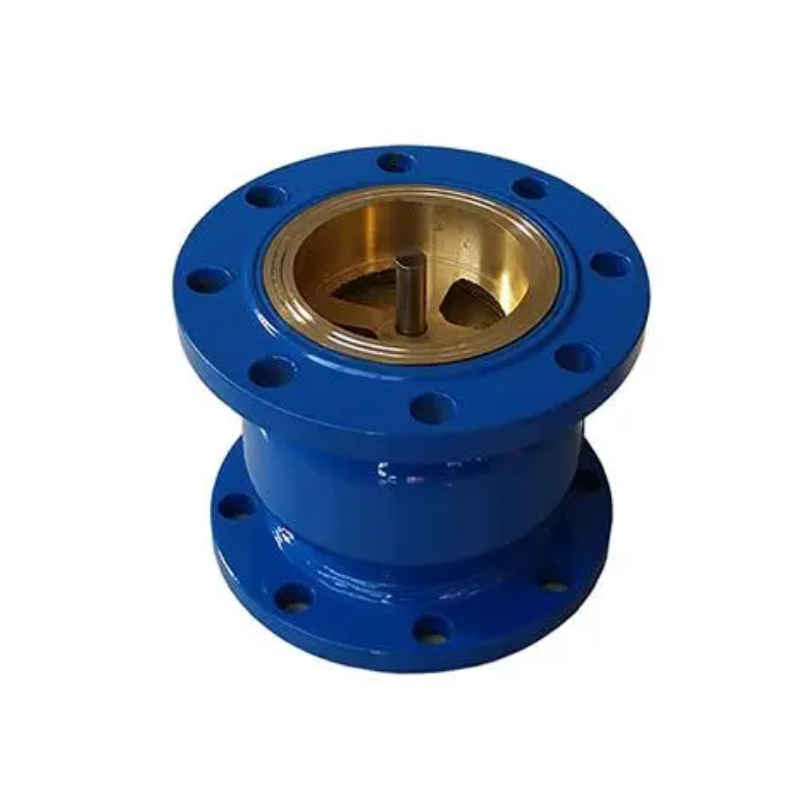
Heavy Duty Check Valve Ensuring Reliable Fluid Control Check valves are essential components of fluid control systems, playing a critical role in preventing backflow and maintaining the intended direction of fluid flow. Among the various types of check valves available, heavy duty check valves are designed to withstand demanding conditions typically found in industrial applications. In this article, we will explore the characteristics, applications, and benefits of heavy duty check valves, highlighting their importance in various sectors. Understanding Heavy Duty Check Valves Heavy duty check valves are constructed from robust materials such as cast iron, stainless steel, or other high-strength alloys. These materials ensure that the valve can endure high pressures and temperatures, making them suitable for challenging environments. The design of a heavy duty check valve typically features a strong disc that operates automatically, closing the valve to prevent reverse flow when the upstream pressure drops below the downstream pressure. There are several types of heavy duty check valves, including swing check valves, lift check valves, and ball check valves. Each type has its specific applications and advantages. Swing check valves, for example, are known for their simple design and low pressure drop, making them ideal for large diameter pipes. Lift check valves, on the other hand, provide better performance under varying flow rates. Choosing the appropriate type of check valve is essential to ensure optimal system performance. Key Features and Benefits 1. Durability and Reliability One of the primary features of heavy duty check valves is their durability. They are engineered to withstand harsh conditions, including high-pressure environments, corrosive substances, and extreme temperatures. This reliability reduces the need for frequent maintenance and replacements, resulting in cost savings over time. 2. Preventing Backflow The foremost function of check valves is to prevent the backflow of fluids, which can lead to contamination and interruption of processes. Heavy duty check valves effectively perform this task, ensuring that fluids move in the desired direction, thereby safeguarding equipment and processes downstream. heavy duty check valve 3. Wide Range of Applications Heavy duty check valves find applications in various industries, including oil and gas, water and wastewater management, chemical processing, and power generation. In oil and gas operations, these valves can be critical for protecting pipelines and pumps from reverse flow. In water treatment facilities, they help maintain water quality by preventing backflow. 4. Customizable Options Many manufacturers offer customizable heavy duty check valves to meet specific application requirements. Factors such as size, material, and pressure rating can be tailored to suit particular needs, allowing engineers to implement solutions that align with their operational demands. 5. Efficient Operation Heavy duty check valves are designed for minimal pressure drop across the valve, ensuring efficient fluid flow. They operate automatically, responding to changes in pressure without the need for manual intervention. This efficiency not only enhances system performance but also contributes to energy savings. Maintenance Considerations While heavy duty check valves are designed for durability, regular maintenance is still essential to ensure their continued functionality. Inspections should be conducted to check for signs of wear, corrosion, or any damage that might affect performance. Cleaning the valve periodically helps prevent clogging and ensures that the internal mechanisms operate smoothly. Conclusion In conclusion, heavy duty check valves are vital components in numerous industrial applications, providing reliable and efficient fluid control. Their durability, ability to prevent backflow, versatility, and customizable options make them indispensable in maintaining operational integrity across various sectors. Investing in high-quality heavy duty check valves ensures the longevity and reliability of fluid systems, ultimately contributing to safer and more efficient operations. As industries continue to face ever-increasing demands, the role of heavy-duty check valves will only become more significant in ensuring the smooth flow of operations.
about
big mirror panels
Understanding the Factors Influencing 12% Gate Valve Prices Gate valves are essential components in various industrial applications, providing reliable performance for controlling fluid flow in pipelines. With a variety of designs and specifications available, determining the price of a 12% gate valve can be complex. This article delves into the factors influencing the pricing of these valves, providing insights into how buyers can approach their purchasing decisions. 1. Material Composition The first and foremost factor affecting the price of a gate valve is the material used in its construction. Common materials include cast iron, stainless steel, and bronze. Stainless steel, while generally more expensive, offers superior corrosion resistance and durability, making it ideal for harsh environments. Cast iron, on the other hand, is more cost-effective and is suitable for less demanding applications. The choice of material directly impacts both the initial cost and the long-term value of the valve. Understanding the Factors Influencing 12% Gate Valve Prices 3. Pressure and Temperature Ratings Gate valves are rated for specific pressure and temperature ranges, and these ratings will significantly influence their cost. Valves designed to withstand high pressures and extreme temperatures typically feature more robust construction and advanced materials, leading to higher prices. Buyers should consider both the operational requirements and the cost implications when selecting valves for their applications. 12 gate valve price 4. Size and Flow Capacity The size of the gate valve is another critical factor in determining its price. Generally, larger valves require more material and more elaborate manufacturing processes, resulting in higher costs. Additionally, the flow capacity, which relates directly to the size and internal design of the valve, can also impact pricing. Buyers should evaluate their needs carefully to select appropriately sized valves without incurring unnecessary costs. 5. Manufacturing Standards and Certifications Valves must meet specific industry standards and certifications, such as American National Standards Institute (ANSI) or International Organization for Standardization (ISO) standards. Valves that adhere to these rigorous standards often come at a premium due to the additional quality assurance and testing required. Investing in certified products can reduce maintenance costs and improve system reliability in the long run. 6. Market Demand and Supply Economic conditions, supply chain disruptions, and changes in demand significantly impact the pricing of gate valves. For instance, during periods of heightened industrial activity, demand for gate valves may outstrip supply, leading to increased prices. Conversely, during economic downturns or when there is an oversupply of components, prices may decrease. Buyers should stay informed about market trends to make timely and cost-effective purchasing decisions. 7. Manufacturer Reputation and Warranty The reputation of the manufacturer can also play a central role in the pricing of gate valves. Established manufacturers with a track record of producing high-quality, reliable products may command higher prices, but they often provide enhanced warranty terms and customer support. When considering price, it is crucial to evaluate the overall value offered by the manufacturer, including after-sales service and the reliability of their products. 8. Conclusion In conclusion, the price of a 12% gate valve is influenced by a myriad of factors including material composition, design, pressure ratings, size, manufacturing standards, market demand, and manufacturer reputation. It is crucial for buyers to thoroughly assess their specific application requirements and budget constraints in order to make informed purchasing decisions. By understanding these factors, customers can ensure they invest in the right gate valve that not only meets their operational needs but also offers a good return on investment over time. As industries continue to evolve, staying abreast of price trends and technological advancements in valve manufacturing will be essential for maintaining efficient and cost-effective operations.
-

High quality industrial productsagement

High quality industrial products
View Details -

Meet the diverse needs of customers

Meet the diverse needs of customers
View Details -

Strict quality control

Strict quality control
View Details -

Top raw materials

Top raw materials
View Details -

Trusted supplier

Trusted supplier
View Details
Our application

news and information

Ventil s klapkou 50 mm pro optimální regulaci průtoku vody
Klapka s průměrem 50 mm Klíčový prvek v regulaci toku Klapky jsou nezbytnou součástí mnoha průmyslov

Using Pin Go-No Go Gauge for Precision Measurement in Manufacturing Applications
Understanding the Pin Go/No-Go Gauge A Key Tool in Quality Control In the realm of manufacturing and
Water Pressure Regulation Valve for Efficient Flow Control and System Stability
water pressure control valve .
 English